Find the fault. Protect the connection.
Cables and pipelines carry power, data and product across the seabed, invisible until something goes wrong.
The challenge
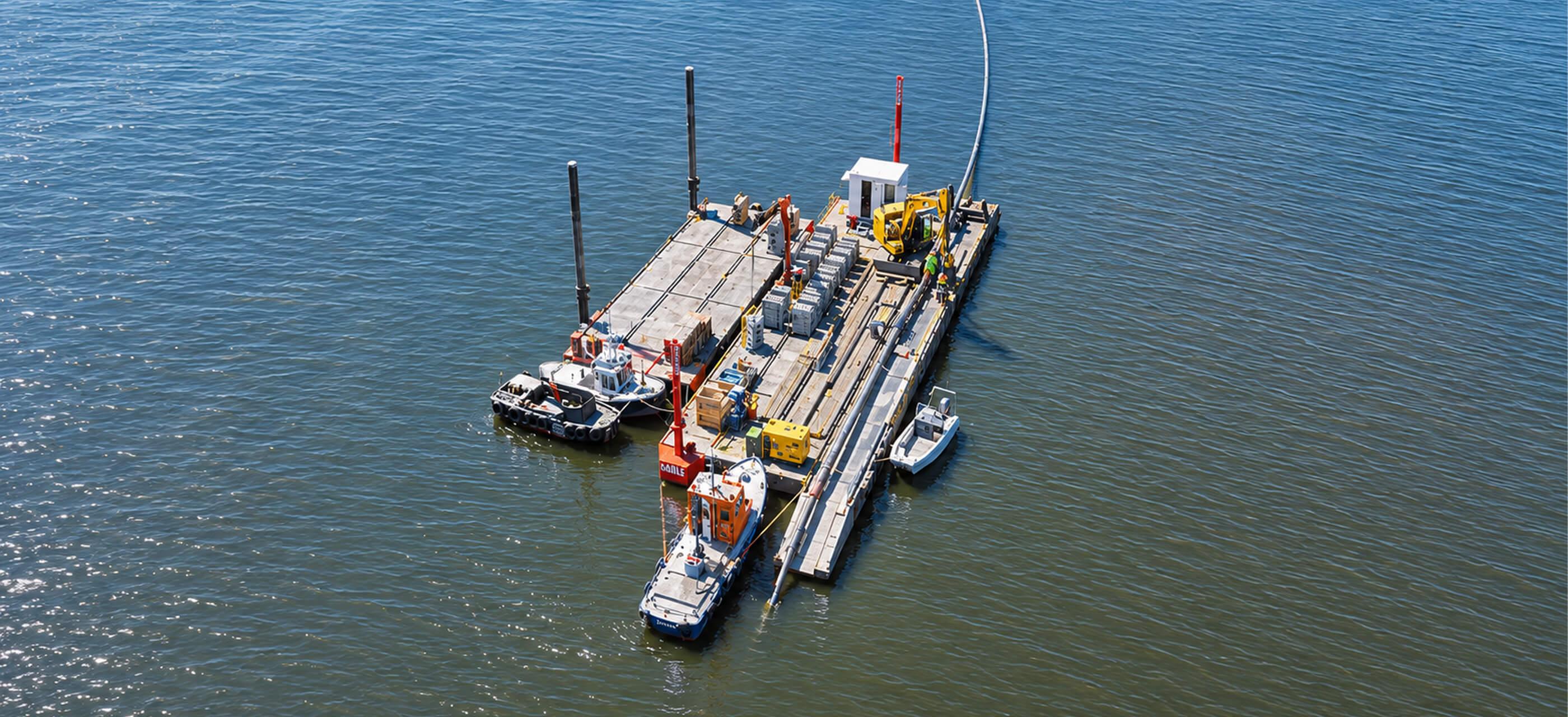
A subsea cable or pipeline fault is expensive to diagnose and slow to repair, often requiring vessels, ROVs and specialist teams to locate a problem that could be anywhere along kilometres of route. Cables and pipelines are exposed to scour, free-spanning, anchor strikes and seabed movement over time, and operators need to know a route's condition long before a fault takes it out of service. Installation and connection work also has to be precise the first time, since re-doing a subsea tie-in is far costlier than getting it right on the initial pass.
What we do here
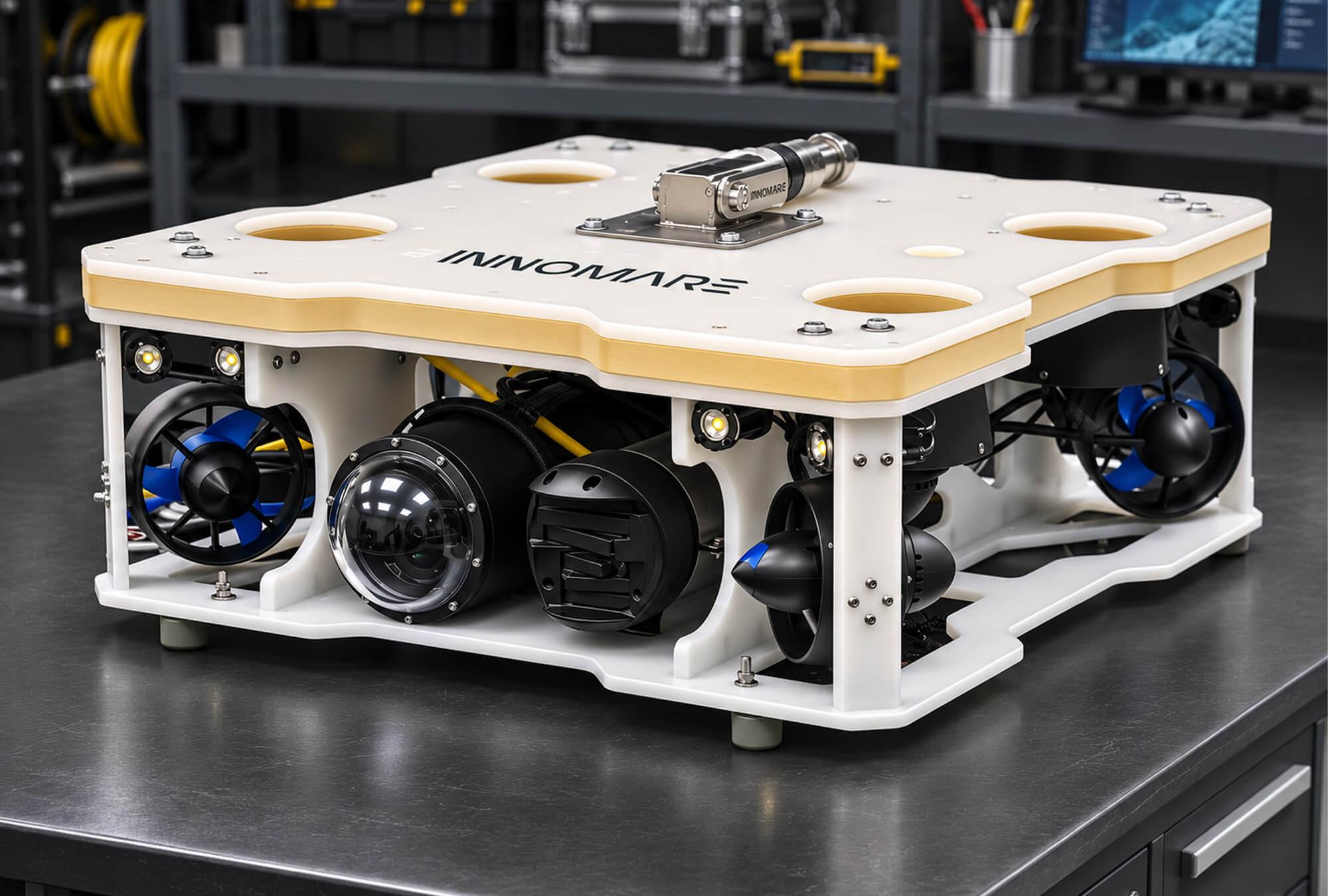
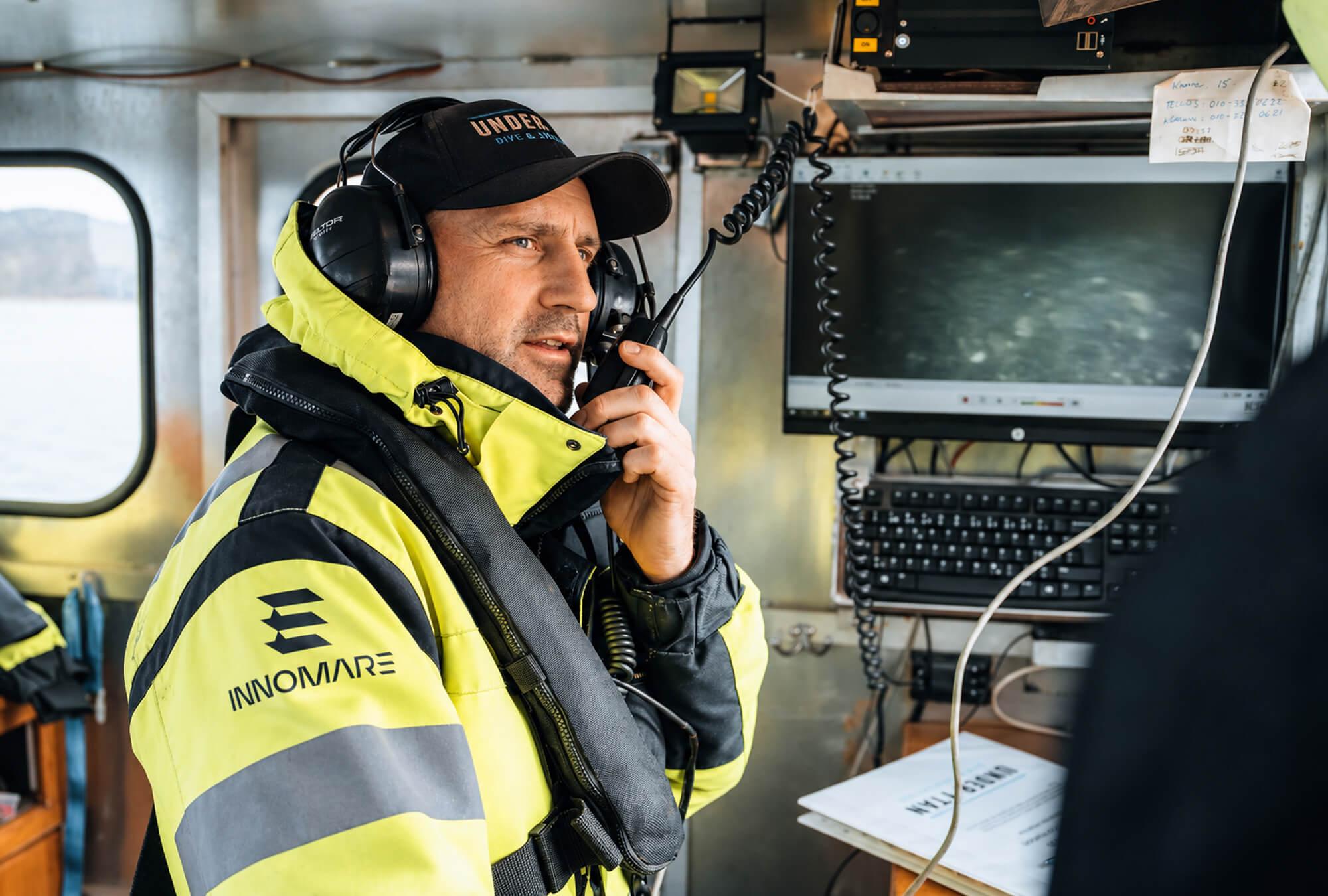
We inspect and survey cable and pipeline routes using ROVs, sonar and multibeam, identifying exposure, free-spans, damage and seabed changes along the full route. Hydrographic survey and photogrammetry provide accurate, georeferenced condition data that engineers can plan repairs or reroutes around, rather than mobilising blind. Where new installation is needed, we handle marine installation of cables and pipelines, including assembly, anchoring and final subsea connection, and we carry out underwater welding, cutting and repair work on existing infrastructure.
Capabilities in this sector
- InspectRoute inspection and condition assessment using ROV and sonar
- SurveySeabed mapping and free-span, exposure and scour assessment
- Engineer & RenewInstallation, anchoring and connection of new cables and pipelines
- MaintainRepair, cutting and welding work on existing cable and pipeline infrastructure
- ProtectEnvironmental monitoring during installation and route works